Master Key Systems
Managing access across a multi-unit building, a busy retail strip on Milwaukee Avenue, or a sprawling office complex in the West Loop demands more than a drawer full of individual keys. A properly engineered key hierarchy lets the right people open the right doors — and keeps everyone else out — without issuing a separate key for every lock on the property. At Avondale Chicago Locksmith, our trained and insured technicians design, supply, and install keyed-alike and master-keyed hierarchies for businesses of every size, coming directly to your location anywhere in the Chicago area with a fully stocked mobile service vehicle.
Open 24 hours, 7 days a week · Licensed, bonded & insured

Whether you operate a multi-tenant warehouse off Belmont Avenue, a boutique hotel near Wicker Park, or a healthcare clinic with strict access-control requirements, the underlying engineering logic is the same: every lock in the system must fit precisely into a defined permission structure. Done right, a master key system eliminates confusion, reduces the number of keys in circulation, and gives ownership or management a single key that opens everything — while staff members carry keys that open only the zones they're authorized to enter. What follows explains exactly how these systems work, what goes into building one, and why professional installation on quality hardware makes all the difference.
What we do
Available 24/7
Day, night, weekends and holidays — a real local locksmith answers and rolls a fully-stocked van.
Fast local response
Based in Chicago, we reach the Chicago area in well under an hour.
Insured & background-checked
Vetted technicians, up-front pricing, and no surprise add-ons when we arrive.
Damage-free entry
We pick and bypass locks the right way, so most lockouts are solved without drilling anything.
How Keyed-Alike and Master Key Systems Work — The Core Architecture
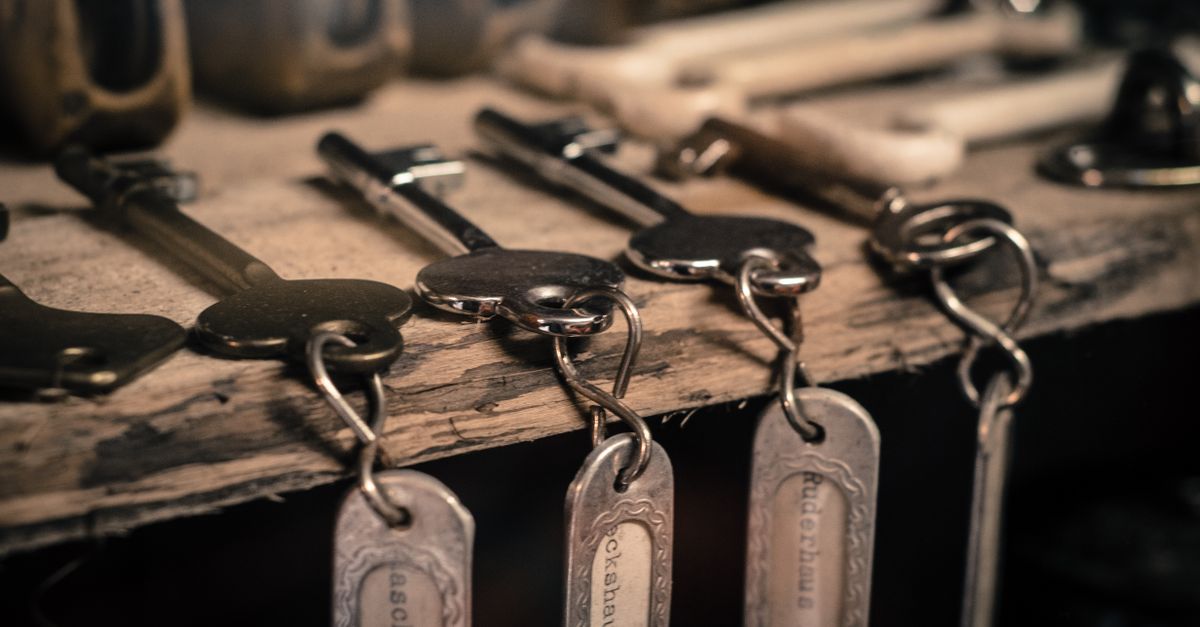
A keyed-alike arrangement is the simpler of the two: multiple locks are pinned to accept the same key, so a property manager doesn't need a different key for every exterior door. A master key system goes further. It uses a hierarchical pin-tumbling architecture — typically called a Grand Master / Master / Sub-Master / Change Key structure — where each level of the hierarchy can operate all locks below it, but a change key (the lowest level) only opens its own lock. A janitor's key might open every utility closet on one floor; a floor supervisor's key might open all spaces on two floors; and ownership holds the grand master that opens every door in the building. Our technicians engineer this structure on paper before a single lock is touched, mapping out every door, every user level, and every key that will exist in the system.
The physical mechanism that makes this possible is a precisely calculated set of key cuts and pin stacks inside each cylinder. In a high-security mortise lock — the type most often specified for commercial buildings in Chicago — the cylinder sits inside a robust steel body recessed into the door edge, making forced manipulation far more difficult than with a surface-mounted knob or lever. Mortise lock cylinders offer deeper keyways and more pin chambers, which gives our technicians far more mathematical combinations to work with when building a large hierarchy. This is why a commercial locksmith consultation almost always begins with an assessment of your existing hardware: if the door knob lock on a utility closet is a basic residential-grade unit, it may need to be upgraded to a mortise lock before it can participate reliably in a commercial-grade key system.
Building Your Master Key System: Site Survey to Final Key Control
Every project starts with a site survey. Our mobile technicians come to you — to your Avondale storefront, your Logan Square office building, your Pilsen mixed-use property — and walk every door on the premises. We document lock hardware model and condition, door material and frame condition, current keying, and your access-control goals. That survey produces a keying schedule: a written document listing every lock, every authorized user group, and the exact key that each group will carry. This document becomes the backbone of your key control program and is yours to keep.
From the keying schedule we select or specify hardware. For exterior doors and high-traffic commercial entries, a heavy-duty mortise lock from a manufacturer like Schlage is typically the right choice — the full mortise body distributes stress across the door edge rather than concentrating it at screw points, and the interchangeable core option lets you rekey a cylinder in seconds without removing the lockset. Interior doors with lower security requirements may be served by a quality cylindrical knob-and-deadbolt combination. Once hardware is agreed upon, our technicians perform the installation with damage-free techniques wherever the door and frame allow, correctly mortising the lock body into the door stile if a new mortise lock is being added. We then deliver all keys, verify every key operates only its intended lock levels, and destroy any loose pin combos on-site so no unauthorized duplicates exist.
Commercial Locksmith Services: What's Included in a Full System Build
A complete master key system project from Avondale Chicago Locksmith covers a wide range of specific services. Our commercial locksmith work on a keying hierarchy can include: (1) full site security audit and keying schedule drafting; (2) grand master / master / sub-master / change key hierarchy engineering; (3) mortise lock supply and installation on exterior commercial doors; (4) mortise lock rekeying to fit existing hardware into the new hierarchy; (5) cylindrical door knob lock replacement or upgrade to commercial-grade hardware; (6) deadbolt installation and keying to the master system; (7) high-security cylinder upgrades with pick and drill resistance; (8) interchangeable-core (SFIC/LFIC) system design and installation; (9) restricted-keyway specification to prevent unauthorized key duplication; (10) key quantity planning and stamping (e.g., 'Do Not Duplicate' stamping where appropriate); (11) lock hardware installation on steel, wood, aluminum storefront, and hollow-metal doors; (12) lever-handle mortise lock installation for ADA-compliant entries; (13) storeroom function lock installation (always locked, key-in from outside); (14) classroom function lock installation for offices requiring auto-locking doors; (15) exit device (panic bar) rekeying and integration into the master hierarchy; (16) padlock keying to match master system for storage areas and gates; (17) cabinet and locker lock keying to sub-master levels; (18) mailbox lock installation and keying for multi-unit buildings; (19) overhead roll-up door lock cylinder replacement; (20) access point labeling and documentation for property records; (21) duplicate key cutting and controlled key issuance; (22) emergency locksmith response when a key is lost and a system level must be immediately re-pinned; (23) automotive locksmith services for fleet vehicles parked on-site (lockouts, key programming, replacement); (24) residential locksmith overlap for mixed-use buildings with owner-occupied units; (25) 24/7 on-call support for lockouts, lost keys, and urgent re-keying needs. Call (773) 900-4533 any time — our dispatch answers around the clock.
Factors That Determine Your Quote — and Why We Price Up Front
One of the most common questions property managers ask is, 'How much does a locksmith cost in Chicago?' or 'How much should a locksmith cost per hour?' — and the honest answer is that no responsible locksmith gives a flat figure before understanding the job. The final price of a master key system project depends on several concrete factors: the number of doors being keyed into the hierarchy, the grade and brand of lock hardware being supplied or upgraded, whether existing mortise lock bodies can be rekeyed or must be replaced entirely, travel distance and site access considerations within the Chicago metro, time of day (an emergency locksmith response at 2 a.m. carries different logistics than a scheduled morning appointment), and the quantity of keys to be cut and issued. A single-door re-key is a fundamentally different scope than a 40-door office building hierarchy.
Because these variables interact in ways that are impossible to generalize, we confirm an exact up-front price with you before any work begins — no surprise add-ons when the invoice arrives. When people ask, 'How much should an emergency locksmith cost?' or 'Where can I find a reputable locksmith in Chicago?' the answer they deserve is transparency, not a vague hourly estimate followed by parts markups. 'How to find a reputable locksmith in Chicago?' starts with confirming they will give you a firm quote before touching anything, that they arrive in a marked vehicle, and that their technicians are trained, experienced, and insured. That describes exactly how we operate. Ready to get a no-obligation assessment for your property? Call (773) 900-4533 — we answer 24/7 and can often schedule a same-day site survey.
Frequently asked questions
How much does a locksmith cost in Chicago for a master key system?
There is no single figure that applies to every job. The cost depends on how many doors are in the hierarchy, the grade of hardware required (a heavy-duty commercial mortise lock costs more to supply and install than a basic cylindrical knob lock), whether new locks are being added or existing ones rekeyed, the number of keys to be cut, and logistical factors like travel distance and time of call. We walk through every one of these factors during your site assessment and confirm an exact price before any work starts — so there are no surprises on the invoice.
How much should an emergency locksmith cost when I've lost a master key?
A lost master key is a serious security event because whoever finds it can access every door in your hierarchy. Emergency re-pinning of an entire key level is a more involved job than a routine lock change, and the urgency of after-hours response is a real variable. That said, our technicians still assess the scope on arrival and confirm pricing before beginning. We're available 24/7 at (773) 900-4533 and dispatch mobile technicians who carry the pin kits and hardware needed to address most re-pinning jobs in a single visit.
What is the difference between keyed-alike and a master key system for a Chicago business?
Keyed-alike means multiple locks are pinned to accept the same single key — useful when you want one key to open several specific doors but don't need a tiered access hierarchy. A master key system is more sophisticated: it creates multiple key levels where a higher-level key opens all locks below it in the hierarchy, while lower-level (change) keys open only their designated lock. Most commercial properties in Chicago — from the mixed-use corridors of Milwaukee Avenue to large office buildings in the Near North Side — benefit from a full master key system rather than a simple keyed-alike arrangement, because staff roles rarely have identical access needs.
Do you install mortise locks as part of a master key system?
Yes — a mortise lock is often the recommended hardware for exterior and high-traffic commercial doors in a master key system. The full-body mortise lock is recessed into the door edge, making it structurally stronger than surface-mounted alternatives, and its cylinder accepts more pin chambers, giving our technicians a wider mathematical range of key combinations to work with when building a large hierarchy. We supply, mortise, and install commercial-grade mortise locks on steel, wood, and aluminum doors, and we rekey existing mortise lock cylinders to integrate them into your new keying schedule.
How to find a reputable locksmith in Chicago for commercial key systems?
A few concrete indicators separate qualified technicians from less reliable operators: they arrive in a clearly identified vehicle, they show up with the tools and parts to complete the job in one visit, they produce a written keying schedule rather than working from memory, and — critically — they give you a confirmed price before any work begins rather than presenting an inflated invoice afterward. Our technicians are trained, experienced, and insured, and every job starts with a transparent assessment. You can reach us directly at (773) 900-4533, 24 hours a day, seven days a week.
Can you add automotive locksmith and residential locksmith services to the same account for a mixed-use property?
Absolutely. Many Chicago properties combine commercial spaces, owner-occupied or tenant residential units, and on-site fleet vehicles. Our mobile technicians handle all three disciplines: commercial locksmith work on the building hierarchy, residential locksmith service for individual unit locks and door knob lock replacements, and automotive locksmith work including lockouts, key cutting, and transponder key programming for company vehicles. Coordinating these through a single provider means your keying records stay in one place and our technicians already know your property layout when a follow-up call comes in.
Locked out or need a lock fixed? We are on the way.
We answer 24/7 — talk to a real local locksmith now.
(773) 900-4533