Avondale Chicago Locksmith Service Team
Local locksmith team
Mar 11, 2026 11 min read
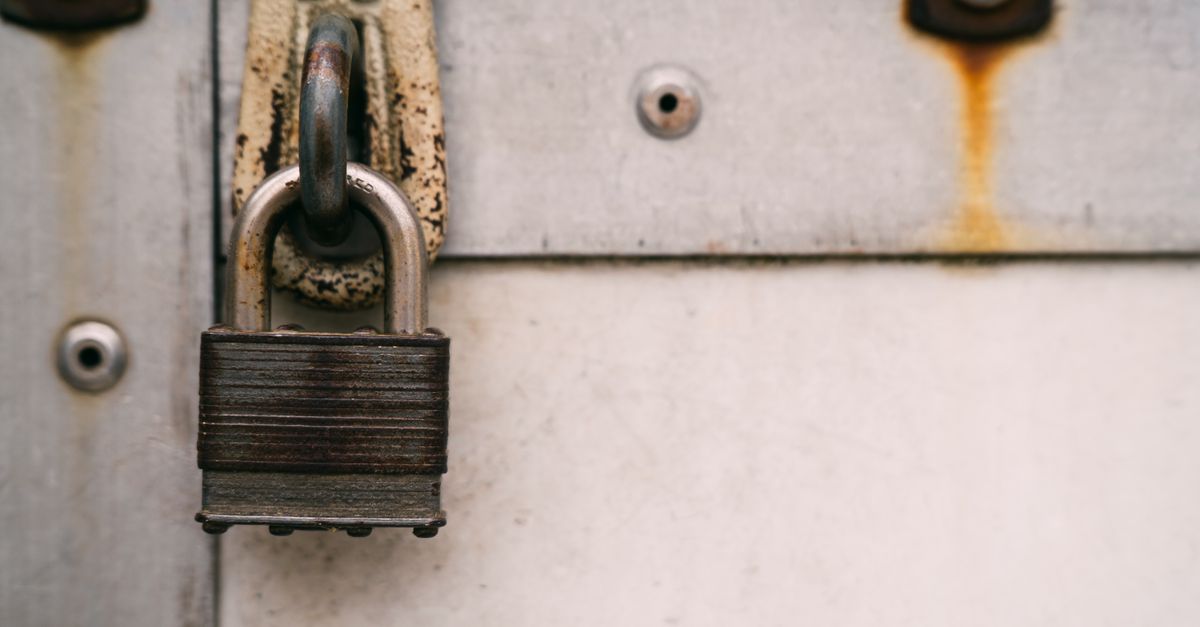
If you've ever stood on a Chicago sidewalk in January — maybe on Kedzie Avenue or somewhere along Milwaukee Ave in Avondale — jamming your key into a lock that absolutely refuses to turn, you already know the specific misery of a frozen lock. Chicago winters don't ease you in; they arrive with windchills that drop metal hardware below the freezing point in minutes, sealing deadbolts, door knob locks, and car door cylinders with an invisible layer of ice. The good news: frozen locks are almost always preventable, and when prevention fails, there are safe, practical ways to get back inside without damaging your lock or your door.
This guide covers both sides — what to do before a cold snap hits and what to do when you're already locked out in the cold. We'll walk through residential door locks (including the mortise lock setups common in Chicago's older greystone and two-flat buildings), car locks, and the specific mistakes that turn a minor inconvenience into a costly repair. When nothing works and the temperature is still dropping, Avondale Chicago Locksmith is available around the clock — call (773) 900-4533 and a trained technician will come to you.
## Why Chicago Cold Snaps Are Especially Hard on Door Knob Locks and Mortise Locks
Most modern residential doors use either a cylindrical lock (your standard door knob lock or lever with a deadbolt) or a mortise lock — the heavy-duty, pocket-style mechanism set directly into the door body that you'll find on a huge percentage of Chicago's vintage greystones, courtyard apartments, and commercial storefronts. Mortise locks have more internal components: a case, a latch bolt, a deadbolt, and often a separate cylinder — all of which can collect condensation and then freeze when temperatures swing hard, as they do during a Chicago polar vortex event. Because mortise locks are installed flush within the door, any moisture that seeps into the case has nowhere to drain, making them particularly vulnerable.
Cylindrical door knob locks and deadbolts face a similar but simpler version of the problem: the keyway itself freezes, the plug stops rotating, and force won't help. In fact, forcing a frozen lock cylinder is one of the most common causes of a snapped key — and a snapped key in a frozen lock is a problem that escalates quickly. Understanding which lock type you have matters, because the prevention and thawing approach differs slightly between a standard deadbolt and a full mortise lock assembly.
## How to Prevent Frozen Locks Before the Temperature Drops
Prevention is genuinely easier than the fix, and it takes about five minutes per door. The most reliable method is a graphite-based dry lubricant applied directly into the keyway. Unlike WD-40 — which is a moisture displacer, not a true lock lubricant — graphite powder won't attract grime or freeze. Insert your key, work it in and out a few times, and the graphite coats the internal pins. For mortise locks specifically, a small amount of Teflon-based spray applied to the latch and bolt mechanism (not just the cylinder) helps keep the moving parts free when temperatures crash. Do this in late October or early November, before the first real freeze, and again after any major thaw-refreeze cycle.
For exterior doors, check the weatherstripping and door sweep. Gaps that let wind-driven moisture into the door frame are the main reason lock cylinders freeze from the outside in. If your door frame in an older Chicago building shows daylight around the edges, that's your leak point. Seal it, and you cut the freezing risk dramatically. For car locks, a silicone-based spray in the door lock cylinder and along the door gaskets before winter is the single most effective step you can take. If your vehicle has remote entry, use it — even when you're only a few steps away — so the physical cylinder stays dry and unused during wet, freezing weather.
## Safe Ways to Thaw a Frozen Lock (And What Not to Do)
If you're already locked out with a frozen lock, here's what actually works. For a door lock, commercial lock de-icer (available at any hardware store — keep a can in your car or garage for exactly this scenario) is the fastest solution. It typically contains isopropyl alcohol or methanol, which melts ice quickly without damaging the lock internals. Spray it into the keyway, wait thirty seconds, then insert your key with gentle, steady pressure. Do not crank or force the key — if the cylinder is still partially frozen, you risk snapping the key off inside. A portable hand sanitizer also works in a pinch, since the high alcohol content breaks down ice in the keyway.
For a mortise lock that won't retract even after the cylinder unfreezes, the issue is often in the case itself — the latch bolt or deadbolt mechanism is frozen in the extended position. In this situation, a heat gun or hair dryer (if you have access to an outlet nearby) applied to the face of the door around the lock case can thaw the internal mechanism safely. Never use an open flame — lighters and torches have cracked door finishes, warped metal strike plates, and in rare cases damaged the door itself. For frozen car locks, a de-icer spray is safest; heating the key with your hands for thirty seconds before inserting it can also help. And if the entire door is frozen shut at the gasket, a push on the door frame — not the lock — while turning the key is the right sequence.
## When to Call an Emergency Locksmith: Scenarios That Need a Professional
Some frozen-lock situations cross the line from DIY-fixable to genuinely needing a skilled hand. A broken key in a mortise lock cylinder is the clearest example — key extraction from a frozen cylinder requires specialized tools and technique, and attempting it with improvised tools (bobby pins, tweezers) almost always damages the cylinder further. Similarly, if a door knob lock cylinder has been frozen and thawed repeatedly over several seasons, the internal pins may be corroded enough that even after thawing, the lock won't function properly. That's the moment to consider whether to replace or rekey the lock entirely — and a qualified locksmith can assess whether rekeying is the right call or whether the hardware itself needs to go.
If you're locked out of your vehicle during a cold snap and the remote entry isn't working (sometimes the key fob battery dies in extreme cold — try replacing it first), do not attempt to force the door or pry at the weather seal. A trained automotive locksmith can access your vehicle without damage to the door frame or lock mechanism — which matters both for your car and for your insurance. Avondale Chicago Locksmith handles residential, automotive, and commercial locksmith calls 24/7 across the Chicago area, including the Avondale, Logan Square, and Irving Park neighborhoods. For any lock emergency this winter, call (773) 900-4533 — a real technician answers every call, any hour.
How much does a locksmith cost in Chicago? It's a fair question when you're standing in the cold trying to decide whether to call. The honest answer is that the final price depends on several factors: the type of lock involved (a standard door knob lock costs less to service than a full mortise lock assembly), whether it's a residential or commercial property, the time of day, travel distance to your location, and what parts — if any — are needed. How much should an emergency locksmith cost? Emergency calls do carry a different rate than scheduled appointments, and that's true across the industry — but what matters is transparency. At Avondale Chicago Locksmith, we confirm an exact, up-front price before any work begins, so there are no surprises when you're already having a rough morning.
## Seasonal Lock Maintenance: A Chicago Homeowner's and Driver's Checklist
Beyond freeze prevention, autumn is the right time to audit every lock in your home and on your vehicle. For homeowners — especially those in Chicago's older housing stock where mortise locks are the norm — this means testing every cylinder for smooth operation, checking that strike plates are properly aligned (cold weather causes door frames to contract, which can throw off alignment and make latching harder), and confirming that all spare keys turn cleanly in their respective locks. If a key is stiff in a dry-room cylinder, it will be nearly impossible in a frozen one. This is also a good moment to think about whether your existing locks are due for a change. How to change a lock or how to change a door lock are reasonable questions for a homeowner facing aging hardware — a locksmith can swap out a worn cylinder or full lock set and, if you want keypad convenience, walk you through how to change the code on a keypad door lock or how to change the code on a door lock so it's set to something only your household knows.
For drivers, the checklist is shorter but important: lubricate all door lock cylinders and the trunk lock, test the key fob battery (cold kills batteries faster than you'd expect), and keep a small bottle of de-icer tucked inside the car rather than in the glovebox — where it does you no good when the door is frozen shut. Commercial property owners and building managers have additional considerations: high-traffic mortise locks on exterior doors take more abuse and need lubrication more frequently, and any access control or keypad system should be tested for responsiveness in cold temperatures, since some older keypads slow or lock up below a certain threshold. A commercial locksmith visit in the fall can catch these issues before a tenant or employee is stranded outside in January. How to find a reputable locksmith in Chicago? Start with local — a team that knows Avondale's building stock and Chicago's specific winter conditions will give you more relevant advice than a national dispatch service.
Frequently asked questions
How much should a locksmith cost per hour in Chicago, and does emergency service cost more?+
Locksmith pricing in Chicago isn't typically structured as a straight hourly rate — most jobs are quoted as a flat service call that factors in the type of lock (a mortise lock repair runs differently than a basic door knob lock cylinder), the time of day, how far the technician is traveling, and whether any parts are needed. Emergency calls — like a frozen lock at 2 a.m. — do carry a different rate than a scheduled daytime appointment. At Avondale Chicago Locksmith, we give you an exact price before we start any work, so you can make an informed decision with no after-the-fact surprises.
Where can I find a reputable locksmith in Chicago who actually knows the area?+
The best indicator of a reputable locksmith is local presence and transparency — someone who operates in specific Chicago neighborhoods, arrives in a marked vehicle, carries proper insurance, and quotes a firm price upfront rather than giving a vague estimate over the phone and adding fees on-site. Avondale Chicago Locksmith is based in and around the Avondale neighborhood and serves the broader Chicago area 24/7. Our technicians are trained and experienced with the full range of Chicago residential hardware, including the vintage mortise lock systems common in the area's greystones and two-flats. Call (773) 900-4533 to verify availability and get a straight answer.
Can I pick a frozen door knob lock myself to get back inside?+
We strongly advise against attempting to pick or bypass any lock yourself. Beyond the practical reality that lock picking requires specialized tools and significant skill to execute without damaging the lock, attempting it on a frozen cylinder — where pins are already stuck or corroded — almost always causes additional damage and can leave the lock completely inoperable. The right approach if you're locked out is to check for a spare key with a neighbor or family member, try another entry point if one is accessible, call the building manager if you're a renter, and then call a professional locksmith if those options are exhausted. A trained locksmith can open a locked door safely without damaging the hardware.
My mortise lock works fine in summer but freezes every winter — is it worth replacing?+
Not necessarily — a mortise lock that freezes seasonally is often fixable with proper lubrication (graphite or Teflon-based, applied to the cylinder and internal mechanism) and weatherstripping improvements that reduce moisture intrusion. However, if the lock is showing signs of corrosion, if the cylinder is stiff even in warm weather, or if you've had repeated key-sticking issues, it may be more cost-effective to replace the cylinder or the entire lock case. A skilled locksmith can assess the condition of your specific mortise lock on-site and give you an honest recommendation. Avondale Chicago Locksmith handles mortise lock service, cylinder replacement, and full lock changes — call (773) 900-4533 to schedule a visit or get emergency help any time of day or night.